Two sunsets, and they are not a contradiction
The couple's page prints both, forty miles apart, and they look like a typo if you read them fast. They are two different places.
- 7:39 pmSunset in Dallas, over Lakeside Park. You will be gone by two, so it never matters on the day. It matters because Highland Park stops photography at 7:00 pm, which is why there is no golden hour at that park to wait for.
- 7:43 pmSunset in Westworth Village, over Airfield Falls. This is the one you shoot. Azimuth 276 degrees, just north of due west.
- 8:06 pmCivil dusk in Westworth Village. You are done at 8:05, one minute before the light legally ends.
The four banks
Set these the night before and shoot one frame on each to confirm they saved. On the day you never turn backwards: C1 at noon, C2 at the falls, C3 in the garden, C4 after the sun goes. That is why there are four and not three.
Where each one lives
| Bank | Auto ISO | Used at | The problem it solves |
|---|---|---|---|
| C1 NOON SHADE | AUTO1 | Lakeside, all four stops | Faces in shade against a background three to four stops hotter |
| C2 OPEN SHADE | AUTO2 | The falls, the trail back | Even shade, no blazing background, so half the contrast |
| C3 GOLDEN | AUTO1 | The garden, the willow | Sun low and behind them, in or near the frame |
| C4 BLUE HOUR | AUTO3 | Sunset, blue hour | No sun left, the sky is the only lamp |
The three Auto ISO slots
AUTO1  base 500 · max 3200 · min shutter 1/250   base 500 because DR400 needs it
AUTO2  base 250 · max 3200 · min shutter 1/250   base 250 because DR200 needs it
AUTO3  base 125 · max 6400 · min shutter 1/60    blue hour, and you hold still for it

SHOOTING SETTING > ISO AUTO SETTING. Three slots is all the body has,
which is fine: two of the four banks want identical ISO behaviour.
C1 NOON SHADE · Lakeside
Mode      A, aperture ring off A     you pick the f-number, camera picks the shutter
ISO       dial on A, AUTO1           camera picks 500 to 3200, never slower than 1/250
Film      ASTIA/Soft                 the gentlest simulation there is for skin
WB        SHADE, not AUTO            auto reads the green off the leaves and greys the skin
DR        400%                       holds two stops of sunlit background out of the clip
Tone      Highlight -2, Shadow -1    buys back the rest of that gap
Colour    +1                         shade is flat; this puts the green back
AF        lever S, single point      one lock per frame. C is for anything walking
Drive     S                          CL only for walking and spinning
Light     none                       no LED, no flash. Highland Park bans both
C2 OPEN SHADE · the falls and the trail
Same as C1, with three changes:
ISO       AUTO2                      base 250, because DR200 is all you need here
DR        200%                       the corridor is evenly shaded, nothing to protect
Tone      Highlight 0, Shadow -1     -2 would go flat with no bright background
AF        lever C, face and eye on   they are moving from here to the end of the day
C3 GOLDEN · the garden and the willow
ISO       dial on A, AUTO1           back to base 500 for DR400
Film      CLASSIC CHROME             holds the gold without pushing it orange
WB        DAYLIGHT, not AUTO         auto drains the warmth you came for
DR        400%                       the sun is in or near the frame
Tone      Highlight -1, Shadow -1
Exp       +2/3 backlit, -1/3 side-lit  meter for their faces, let the background go
Filters   protection filter off      with sun in frame it ghosts. Rubber hood on
C4 BLUE HOUR · after the sun
ISO       dial on A, AUTO3           125 to 6400, and 1/60 is the floor
Film      ETERNA/Cinema              low contrast, which is all blue hour has
WB        DAYLIGHT                   keeps the sky blue and the LED warm
DR        100%                       no highlight left to protect, and DR costs shadow noise
NR        HIGH ISO NR -2             smoothing eats the grain she asked for
AF        single point, near eye     face detect hunts in the dark
Lamp      AF ILLUMINATOR OFF         a red beam in their faces, and useless at this range
Sunset is C3 with two dials moved, not a fifth bank. ISO dial off A to 125, exposure compensation to -2, filters off. Two moves stay in your hands better than a preset you use for fifteen minutes.
Gear and filters
What is in the bag
- X-T5 body. Two card slots. Format both, and set SAVE DATA SET-UP > CARD SLOT SETTING to BACKUP so slot two mirrors slot one. Delete nothing in the field.
- XF 16-80mm f/4 R OIS WR. The lens for almost everything. 72mm thread. Stabilised, which is what makes the one slow-water frame possible without a tripod.
- XF 27mm f/2.8 R WR. One stop faster and tiny. Feet in the water, the willow if it goes dark early, and every blue hour frame with a face in it.
- Protection filter. On for spray at the falls and all day at Highland Park. Off from the garden onward, because with the sun in frame it ghosts.
- Mist/PL on a step-up ring. Cuts glare off wet rock and water. Costs about a stop and a half, so it comes off for faces in shade.
- Collapsible rubber hood. For the stops where the sun is in the frame. It only seats with no step-up ring fitted, so hood and Mist/PL are an either-or.
- Spare battery, charged. Swapped in the car on the drive west, so Airfield starts at full whatever the meter says.
- LED panel with brightness, colour and warmth. Airfield only. See below.
Which lens, stop by stop
| Stop | 16-80 f/4 | 27 f/2.8 |
|---|---|---|
| A stone bridge | Everything | Only if the canopy is darker than it looks |
| 2 the steps | Everything | Nothing |
| 3 across the water | Everything | Nothing |
| 4 Flippen | Everything | Nothing |
| 2 the falls | Wides, seated, slow water | Feet in, low and close |
| 3 the trail | Everything | Nothing |
| 4 the garden | Everything, 80mm mostly | Nothing |
| 1 the willow | Wide and the dancing | If it is dark by 7:30 |
| 1 sunset | Everything | The afterglow, once the sun is gone |
| 1 blue hour | The wide sky frame only | Every frame with a face |
Which filter, and when nothing
| Where | On the 16-80 | Why |
|---|---|---|
| All of Lakeside, faces | Protection only | The Mist/PL costs a stop and a half and does nothing in flat shade |
| Lakeside, water in frame | Mist/PL | Sun is due south and you shoot across the water, so you sit near the polarizer's maximum |
| The falls, wides | Mist/PL | Rotate until the glare leaves the wet rock |
| The falls, faces | Protection only | Spray is the reason, not the glare |
| Garden onward | Nothing, hood on | Sun in frame: protection ghosts, mist smears it and kills the sunstar |
The LED
At Airfield it earns its place twice: under the willow if 7:30 comes and the light has gone, and at blue hour held low between them. Both times, low power. You want a candle, not a torch.
No colour temperature is printed here on purpose. The panel has not been identified, so a number would be a guess. Warm it until skin reads like skin against a blue sky, then leave it. That is the setting, whatever your panel calls it.
What not to bring
No flash: a skill rather than a purchase, and it fights the light you came for. No neutral density: the polarizer and the electronic shutter cover it. No tripod, and no reflector, at either park.
At the falls the bridge rail and the rock are the tripod, and that is the only frame all day that needs one.
Pack list, and what they carry
- You. Body, both lenses, both filters, hood, two batteries, both cards formatted, lens cloth, water.
- Them. Water shoes and a towel for the falls, the flowers for the Fort Worth half, blotting papers, hair ties, more water than they think.
- In the car all day. The LED, the flowers until 5:45, and a towel that is a towel at Highland Park and a reflector at Airfield.
Lakeside Park
Sun altitude runs 55 to 61 degrees the whole two hours. A shadow is two thirds of a height, straight down. There is no direction to this light and nothing you can add, so every decision is about the shade edge and which way their faces point out of it.
Park, brief, walk in
12:00 · sun 55.5° up · azimuth 141° southeast
Getting there
Lakeside Drive, street parking, no lot. Read the curb before you lock it. Nothing is enforceable there without a sign or a painted line, and the signs are the ones that count.
While you are here
- Sunscreen and bug spray on everyone. There is standing water and the mosquitoes know it.
- They arrive dressed. Changing in a vehicle is not permitted and no restroom is listed at either park.
- Camera out of the cold car now, not at the bridge, or the first frames fog.
- Say the LED is staying in the car. Out loud, so you do not reach for it later.
Camera
C1 NOON SHADE in the Q menu · ISO dial to A · focus lever S · drive dial S
16-80 on the body, protection filter on, lens cap in a pocket
The 27 and the Mist/PL in one pocket, spare battery and cloth in the other
Shoot one frame of the car park and check the histogram. If the bank did not
load you want to know now, not on the bridge.
The stone bridge
12:15 · 57.3° up · 147° SSE → 12:45 · 60.1° up · 160° SSE · shadow 0.65× height
Getting there
The short path with an estate fence on one bank and the new boardwalk on the other. Low limestone arch, black rail curved to follow it, cobbled brook running under it into the lake.
Where you stand
- Down at the water on the bank, camera at knee height, shooting up through the branches at the two of them on the arch.
- Second position on the deck at one end, shooting along the arch so its rise and fall is in the frame.
- Standing on the bridge is fine for them. The rail is not, and neither is the brook bed, for them or for you.
Camera
C1 NOON SHADE · AUTO1 · protection filter on, Mist/PL off
The Mist/PL costs about a stop and a half and does nothing in flat shade.
This is the darkest place in the park. Do not spend the light here.
Hunt even shade, not deep shade. Under the densest crown, or under the arch
itself where the stone blocks the sky and the brook opening lights from the side.
Shots
- From the brook
16-80 · 16 to 23mm · f/5.6 · shutter A · ISO A, AUTO1
AF S, single point on the near face · drive S · vertical and horizontal
Up on the arch, right in the middle. Keep talking, I'm not shooting yet.Them small, the green doing the work. Shoot it first so everything after has something to be a close-up of. - Walking over
16-80 · 35 to 50mm · f/4 · shutter dial 500 · ISO A, AUTO1
AF C, wide and tracking, box on the lead face · drive CL · three passes
Walk at me like you're late and it's his fault. Don't stop talking.Nobody can pose a foot mid-stride. The arch gives them a rise and a fall to walk through. - Her hands on his face
16-80 · 70 to 80mm · f/4 · 1/250 · ISO A, AUTO1
AF C, face and eye on, single point · drive S · three metres back
Both hands on his jaw. Straight face first, then whatever happens next.She is doing something and he is being done to, which is the reverse of how these usually get shot.
The steps down to the water
12:45 · 60.1° up · 160° SSE → 1:05 · 61.2° up · 170° south · shadow 0.55× height
Getting there
Stone steps down the bank with a wall alongside. Sitting on steps is what steps are for, so this is the easy stop. Seat them low and let the pale stone lift their eyes.
Where you stand
- At the bottom of the flight, shooting up so the stone leads to them.
- Level with them from the side, on the stone.
- You stay on the stone too. No wading anywhere in this park, and that rule is about you as much as them.
Camera
C1 NOON SHADE · AUTO1
Mist/PL on for anything with the creek surface in frame, off for faces and the ring
Sun is nearly due south at sixty degrees and you are shooting across the water
roughly east or west, so you sit near the polarizer's maximum. It will strip the
surface glare properly here. AUTO1 absorbs the stop and a half it costs.
Shots
- From the bottom
16-80 · 23 to 35mm · f/5.6 · 1/250 · ISO A, AUTO1
AF S, single point · drive S · vertical
One of you two steps above the other. Don't look at me yet.A staircase is a diagonal you do not have to invent. f/5.6 rather than f/4 because they are at different depths. - Sit and lean
16-80 · 70 to 80mm · f/4 · 1/250 · ISO A, AUTO1
AF C, face and eye · drive S · Mist/PL off
Sit two steps up, hips touching. Lean until your head lands. Now stay.Keep their faces on the same plane or one eye goes soft at f/4. - The ring
16-80 · 80mm from about 40cm · f/4 · 1/250
single point on the stone, not the knuckle · Mist/PL off
Her hand over his, and keep it loose. A stiff hand is what makes these look like a catalogue.At f/4 and forty centimetres you have millimetres of depth. Focus the stone.
Across the water
1:05 · 61.2° up · 170° south → 1:25 · 61.4° up · 180° south · solar noon 1:23:47
Getting there
The willow and the big house are both on the far bank and both are somebody's garden. Everything here is shot from this side with the water in between, which is the picture they asked for anyway.
Where you stand
- In the shade line on this bank, with them at the edge of it and their faces turned out toward the open water.
- That is the trick. You cannot carry a reflector here, so the bright opening over the water becomes one. Shoot from inside the shade, chins up and out, camera slightly low so their eyes catch more sky.
- Do not cross. Stay off the bank face and out of the landscape beds.
Camera
C1 NOON SHADE · AUTO1 · Mist/PL on for the two wides, off for the twirl
Exp comp +1/3 to +2/3 with the bright far bank in frame
Then check the histogram, not the screen. If faces look dark in the finder they
are dark. Dial up until they are not and let the water go. Keep the sky mostly
out of frame above 35mm; a polarizer bands it at the wide end.
Shots
- The willow, from here
16-80 · 35 to 50mm · f/5.6 · 1/250 · ISO A, AUTO1
Mist/PL on, rotated until the reflection firms up · AF S
Stand right at the edge. You'll be small in this one, that's the point.The reflection gives you the tree twice, which is more than standing under it would. - The house behind you
16-80 · 35 to 50mm · f/8 · 1/250 · ISO A, AUTO1
Mist/PL on · AF S, single point on the near face
Turn a few degrees. Now the house is over your shoulder.f/8 so the house reads. You are far enough away that the depth costs nothing. - The twirl
16-80 · 35 to 50mm · f/4 · shutter dial 1000 · ISO A, AUTO1
AF C, wide and tracking · drive CL · Mist/PL off · frame wide enough for the hem
One hand up, spin her out and back. Keep hold of the hand.You need the stop and a half back for 1/1000. Something has to move here or it is three postcards in a row.
1:25 to 1:35 · Drive to Flippen
- One mile north to 4421 N. Versailles Avenue, about three minutes. You drive it together.
- Park on Versailles, not Armstrong. Armstrong Parkway's east side is no stopping from 2:45 to 4:15 on school days, and 11 September is a school-day Friday.
- Wheels rolling by 1:28 or the gazebo window gets tight.
- Camera on the seat out of the sun, cap on, filter left fitted.
Flippen Park
1:35 · 61.4° up · 186° south → 2:00 · 59.5° up · 196° SSW
Getting there
A mile north and a different key entirely. White gazebo, a fountain with a reflecting pool, clipped hedges, houses all the way round. Small enough to walk in two minutes.
Where you stand
- Out on the grass for the wide, far enough back that the whole structure is in the picture.
- Then inside the gazebo shooting out, or just outside its shade line with them standing in it.
- For the fountain frame they are on the grass. Nobody sits on the rim; the Town names it specifically.
Camera
C1 NOON SHADE · AUTO1 · protection filter on all day here
Mist/PL on for the fountain if the water is running, off otherwise
Electronic level on for the wide. A gazebo with converging verticals reads as a
mistake in a way a tree never does.
Shots
- The gazebo, wide
16-80 · 16 to 23mm · f/8 · 1/250 · ISO A, AUTO1
AF S · drive S · level on, verticals straight
Both of you inside it. I'm going right back so the whole thing is in.Photographed close a gazebo is just columns. Photographed whole it is the reason this half looks like a different county. - Against a column
16-80 · 50 to 80mm · f/4 · 1/250 · ISO A, AUTO1
AF C, face and eye · drive S · under the roof, in that horizontal light
Weight back on one foot, ankle crossed, one hand in a pocket. Straight face first.Angles instead of a hug, one posed and one reaching in. It reads as expensive because it is magazine body language. - Head in a lap, by the fountain
16-80 · 35 to 50mm · f/4 · 1/250 · ISO A, AUTO1
camera nearly on the grass · AF S on the upturned face
On the grass, not the rim. Head back in her lap, look up rather than at me.This one is outside the gazebo, so check for a leaf shadow on the face and move three feet if you find one.
2:00 to 5:45 · Lunch, then the drive west
- Lunch is somewhere in Dallas, sat down. Eating at Lakeside is a separate ordinance, so it does not happen there and it does not happen in the car.
- Wheels out of Dallas by 4:00, hard stop. Forty-three miles across the Metroplex on a Friday afternoon, and every routing figure you can find models no traffic at all.
- In the car: swap to the fresh battery so Airfield starts full whatever the meter claims.
- Take the protection filter off the 16-80 now. From the garden onward the sun is in the frame and it ghosts.
- Check what is left on both cards against what you shot at noon. Two parks is a lot more than one.
- Flowers stay in the footwell under a damp towel until you park. It has been a hundred degrees in there since noon.
Airfield Falls
Everything banned at Lakeside is allowed here. The LED comes out, the towel becomes a reflector, and you can get as low as you like. The sun drops from twenty-three degrees to the horizon across two hours, so unlike noon, waiting fifteen minutes genuinely changes the picture.
Park, prep, walk out
5:45 · sun 23.5° up · azimuth 259° west · shadow 2.3× height
Getting there
Pumphrey dead-ends at the base gate. The park is the last right before it, windsocks at the entrance. Small lot, about thirty spaces. If it is full, circle once: the average visit is under forty-five minutes.
While you are here
- Bug spray and sunscreen again, ankles especially. Water for three.
- They carry water shoes and a towel. Real shoes stay on for the walk out.
- Camera out of the car ten minutes before you shoot, same as at noon.
- The LED comes out of the bag here. This is the park where it is allowed.
Camera
C2 OPEN SHADE · AUTO2 · focus lever C · drive S
Protection filter back on for the falls. There is spray and the sun is behind trees.
16-80 on the body. The 27 and the Mist/PL in a pocket, spare battery already swapped.
Ninety-nine degrees at the hour you meet. They stay in the car with the air on
until you have parked and you are ready to walk.
The falls
6:00 · 20.4° up · 262° west → 6:45 · 11.0° up · 268° west · shadow 2.7× to 5.1×
Getting there
End of the trail. After the second bridge turn left and walk north with the creek on your right. Limestone opens up on the right just before the trail meets the Trinity Trails bridge. Short dirt cut-throughs lead down to the rock.
Where you stand
- Base of the tiers at the downstream end, camera at knee height so the steps stack behind them.
- In the water, low, focus on faces. This is the park where that is allowed.
- The Trinity Trails bridge, leaning over the rail, wide lens, straight down at them.
- The rock is slick if it has been raining. Nobody on the lip of the top ledge.
Camera
C2 OPEN SHADE · AUTO2 · protection filter on for spray
Mist/PL on for the wides and the slow-water frame, off for every face
Kids in the pool? Frame tight and wait them out. Do not ask anyone to move.
Shots
- The wide one
16-80 · 16 to 23mm · f/5.6 · ISO A, AUTO2
Mist/PL on, rotated until the glare leaves the wet rock · vertical and horizontal
Stand on the second step. This one's about the place, so you'll be small in it.The whole cascade in frame with them in it for scale. Shoot it before anyone gets wet. - Sit and lean
16-80 · 70 to 80mm · f/4 · 1/250 · ISO A, AUTO2
filter off · AF C, face and eye · three metres back
Sit on the second tier, hips touching, and lean until your head lands. Worst first date either of you ever went on. Go. - Feet in
the 27 · f/2.8 · 1/250 · ISO A, AUTO2 · no filter
low and close, camera almost on the wet rock
Shoes off, feet in, lean back on your hands. One of you gets splashed, you decide who.Bare feet and wet stone are the proof they were somewhere real. Leaning back drops the shoulders. - Bridge look-up
16-80 · 16mm from the rail · f/4 · 1/250 · ISO A, AUTO2
AF C, face and eye · you lean over, they stand at the bottom
Arms round each other and look straight up at me. Now shout the wedding date.Looking up lengthens the neck and lifts the chin, and it is as close as this evening gets to a wedding photo. - Silky water, one frame
only if it is flowing · 16-80 · Mist/PL on · ISO 125 on the dial
f/11 · shutter dial 1/4 · IS MODE CONTINUOUS · elbows on rock or camera on the rail
Freeze for a count of three. Or step out and let me have the water on its own.The filter's light loss is what buys the slow shutter. No tripod: the rail is the tripod. Take three, keep one.
The trail back
6:45 · 11.0° up · 268° west → 7:00 · 8.6° up · 270° west · shadow 5.1× to 6.6×
Getting there
Trees over the trail for the first stretch, then open meadow on one side. You are walking and shooting at the same time, which is the point: these are the frames that happen between the stops.
Where you stand
- At the far end of the shaded stretch facing back the way you came, so the bright opening is behind them.
- For the meadow, stay on the trail and send them forty to sixty metres out into the lit grass. Use the long end.
- Both trail bridges are the right height for someone to sit with their legs over.
Camera
C2 OPEN SHADE · AUTO2 · protection filter on · Mist/PL stays in the pocket
Exp comp +2/3 with the bright opening behind them
In AF-C the box has to be on or near a face before it locks. Put it there with
the stick before they start walking, not while they are moving.
Shots
- Walking to you
16-80 · 50 to 80mm · f/4 · shutter dial 500 · ISO A, AUTO2
AF C, wide and tracking · drive CL · three passes minimum
Start at the little bridge and walk at me. Late, and it's his fault.AUTO2 will climb toward 3200 under the trees. Let it. - Walk away, look back
16-80 · 50 to 80mm · f/4 · shutter dial 500 · AF C · drive CL
Hands held, walk away from me. On three, one of you looks back.Backs are honest. The look back is the one frame where she is checking you are still there. - Run, and look back
16-80 · 23 to 35mm · f/4 · shutter dial 1000 · AF C, wide · drive CL
Run a few steps out and turn round. You stay put and watch her.It is the walking one with the hands let go, and it reads completely differently. - The twirl
16-80 · 23 to 35mm · f/4 · shutter dial 1000 · AF C · drive CL · feet in frame
One hand up, spin her out and back. Keep hold.Wide enough for the hem. A skirt mid-turn is the whole reason to do it. - Head in a lap, up on the bridge
16-80 · 35 to 50mm · f/4 · 1/250 · AF S · drive S
Sit on the edge with your legs over. Lie back along the stone, head in his lap.Both bridges are the right height, and the water underneath gives the reflection. - Led by the hand
16-80 · 35 to 50mm · f/4 · 1/500 · AF C · small in the frame on purpose
Half a step ahead and pulling. Barefoot if the ground allows it.The wide one and the walking one combined.
The garden
7:00 · 8.6° up · 270° west → 7:15 · 4.8° up · 272° west · shadow 6.6× to 11.9×
Getting there
Native flower beds along the trail, with the west opening onto Pumphrey and the golf course behind them. This is where the real golden light lives, which is why the falls came first.
Where you stand
- East on the trail facing west, with them among the beds and the sun over a shoulder.
- Step sideways until a stem or a bloom half-hides the sun. That is controlled flare instead of a white smear.
- The towel is a reflector here. Held flat at chest height under a chin it lifts the eyes.
Camera
C3 GOLDEN · AUTO1 · all filters off, rubber hood on
The protection filter ghosts with the sun in frame and the Mist/PL smears it.
The hood only seats with no step-up ring fitted, so it is hood or Mist/PL, never both.
Exp comp +2/3 backlit · -1/3 side-lit · meter for faces and let the background go
Shots
- Backlit embrace
16-80 · 80mm · f/4 · ISO A, AUTO1 · +2/3 · three metres back
AF C, face and eye · sun directly behind them
Foreheads almost touching. Her hands flat on his chest, his at her waist. Eyes closed, then open.Low sun draws a bright line round hair and shoulders. That rim is the whole shot. - Backlit embrace, sitting
16-80 · 70 to 80mm · f/4 · +2/3 · AF C · they sit on a low rail
Same thing sitting down. Arms up round a neck, foreheads close.Sitting drops their heads into the light instead of against it. - The lean
16-80 · 50 to 80mm · f/4 · 1/250 · -1/3, side-lit not backlit · AF CWeight back on one foot, ankle crossed, hand in a pocket. Straight face first.Same stance as Flippen, four hours and a different sun later. - The ring
16-80 · 80mm from about 40cm · f/4 · single point on the stone · beds soft behind
Her hand over his, ring toward me. Loose.Same frame as the steps at noon, but the background is gold instead of green. - The ring, close
16-80 · 80mm · f/4 · AF S, single point on her near eye · +2/3
His hand on your cheek, your hand over his. Eyes to me, and he stays behind you.The card above keeps the ring in their hands. This one puts it on a face, which is a different photograph.
The willow
7:15 · 4.8° up · 272° west → 7:35 · 0.9° up · 275° west · shadow 11.9× to 64×
Getting there
Back at the entrance end, two minutes from the car, on the creek bank just before the first bridge. Branches come all the way to the ground, so they can stand inside it.
Where you stand
- Outside the curtain shooting in, so the branches make the gap for you.
- Then inside with them and wide for the dancing.
- It is a creek, not a lake. Water in the frame, not the reflection Highland Park gives you, and by September it may be dry.
Camera
C3 GOLDEN · AUTO1 · no filters · hood on
If it has gone dark by 7:30, swap to the 27 at f/2.8 and let the ISO ride.
Or bring the LED up, low power, one hand, just off frame. This is the park where
that is allowed. Warm it until skin reads like skin, then leave it alone.
To lie down, the towel goes just out of frame and she holds herself off the grass.
Shots
- Into the curtain
16-80 · 16 to 23mm · f/4 · 1/250 · ISO A, AUTO1 · AF S
you outside, shooting in through the branches
Walk in and stop when the branches have closed behind you.Them small, green everywhere, shot from across a gap. It is the frame they picked twice, and here the tree makes the gap. - Dancing under it
16-80 · 23 to 35mm · f/4 · shutter dial 500 · ISO A, AUTO1
AF C, wide and tracking · drive CL · you are inside with them
I'm putting something on. Just dance, no counting, no spinning on cue.She asked for this one by name. Take thirty frames of two minutes and keep the one where they forgot you were there.
Sunset
7:35 · 0.9° up · 275° → sunset 7:43 at 276° → 7:50 · 2.6° below
Getting there
Stay near the entrance end. The west opens onto Pumphrey and the golf course tree line, which is the only clear horizon in the park and the reason the sun is shootable at all here.
Where you stand
- Crouch or lie down east of them facing west, so their heads and shoulders clear the tree line and sit against open sky.
- Lower camera means more sky. Get properly down.
- Turn around at about 7:45. The pink is in the east by then and it is on their faces.
Camera
C3 GOLDEN with two dials moved · no filters at all
ISO dial off A to 125 · Exp comp to -2, or PHOTOMETRY to SPOT on bright sky
Check the histogram, not the screen. A silhouette should touch the left wall.
Profiles, not full faces: a face turned to camera is a black oval.
At 7:45 swap to the 27, ISO back to A, comp back to 0, and shoot the east.
Shots
- Silhouette kiss, with a gap
16-80 · 23 to 35mm · f/8 · ISO 125 · -2 · shutter floats
AF S, or manual on the tree line · drive S
Noses almost touching. Leave daylight between your faces and between your bodies. Hold it.A silhouette is an outline and nothing else. Sky between two faces is the second before the kiss. - The dip
16-80 · 23 to 35mm · f/8 · ISO 125 · -2 · drive CL · hold for three
Wide stance, and lean back and throw an arm out. Chance, you're the one going backwards.Arms and legs away from the body or the outline turns into a blob. - Sun between you
16-80 · 35 to 50mm · f/11 to f/16 · shutter dial 1000 · ISO 125 · no filtersStep apart until the sun sits in the gap between you.f/11 and up is what makes the nine-blade sunstar. Any filter smears the sun and kills it. - The lift
16-80 · 35 to 50mm · f/8 · shutter dial 1000 · ISO 125 · -1 2/3
frame wide enough to keep their shadow in
Pick her up from behind, an inch off the grass. Faces turn in to each other, not at me.At one degree of altitude their shadow is sixty times their height. That shadow is half the picture.
Blue hour
7:50 · 2.6° below → 8:05 · 5.8° below · civil dusk 8:06
Getting there
Back at the lot, or the last of the trail. Windsocks and light poles are the only verticals here, and at this hour they read as shape rather than clutter.
Where you stand
- Close. Everything is a two-shot now.
- Face them east for the last colour on their skin, west for an outline against the violet.
- Exhale before you press. At 1/60 you are the tripod.
Camera
C4 BLUE HOUR · AUTO3 · the 27 at f/2.8 for anything with a face
The LED low and warm, held between them, against WB DAYLIGHT
Warm light against a daylight white balance keeps their faces warm and the sky
blue. That contrast is the entire look. Low power, or it stops being blue hour
and starts being a torch.
AF ILLUMINATOR OFF so a red beam does not fire into their faces.
Shots
- Slow dance, forehead to forehead
the 27 · f/2.8 · ISO A, AUTO3, 1/60 floor · single point on the near eye
one of them holds a phone light low, or the LED just off frame
Forehead to forehead, eyes closed, no talking. Just sway.By now the world is quiet and blue. Two people swaying in the last of it look like the only two anywhere. - The last one
the 27 · f/2.8 · ISO A, AUTO3 · whatever it says · AF S on their backs
Walk to the car and don't look back.Do not fix the ISO here. A noisy last frame is better than no last frame.
What to say
Two people who do not do this for a living will look like it unless you keep talking. None of this is a script to read. It is what to reach for when the frame is right and their faces have gone wrong.
Before you lift the camera
- Set the terms.I'll take way more frames than a pro would. That's the plan, not a problem.
- Take the fear out.Nobody sees the bad ones. Not you, not the group chat. I delete before you look.
- Buy yourself time.Fix his collar. Take your time. I'm not shooting yet. You are.
Getting them moving
- Never "act natural". Give a task instead.Walk to me and tell him about the worst wedding you've ever been to.
- Never "now spin her once".Same again, and this time don't wait for me.
- Hands.Give your hands a job. Pocket, waist, his collar. Anything but hanging.
Getting a real face
- Wait for it. She said it herself: manufactured laughter is the thing she hates. If nothing is funny yet, stand around until something is.
- Straight face first.Straight face. Hold it. Now try not to laugh. That is the frame.
- Chins.Chin toward me and a little down. Feels weird, looks right.
When it gets stiff
- Move them, do not correct them.Swap sides. Now do the same thing.
- Squinting.Eyes shut. Open on three. That is the whole cure.
- Crowds.They'll clear. We'll do the close ones first and the wide ones when the rock's ours.
Closing
- When the light goes.That's the light done. Everything from here is a bonus, and it's the good bonus.
- Delivery.Phone versions tonight. The real ones in a week. Don't post the phone ones with a filter, they're already the filter.
If things change
Heat
Ninety-two at noon, ninety-nine when you meet at Airfield. If the day reads ninety-five or higher: two extra waters, the towel goes in a cooler with ice, and the falls stop stretches. The sun does not move for the temperature, so nothing after 7:00 shifts.
Rain, and the week before it
- Rain in the seventy-two hours before. The falls actually run. Park by 5:30 instead of 5:45 and take the slow-water frame seriously.
- A dry week. Kings Branch runs on rainfall, not a spring. A dry bed is the real risk, not a slow one. The willow still works; the reflection does not.
- Rain on the day. She has ruled out anything wet. Move it, do not tough it out.
Running late
- Behind at Lakeside. Cut Flippen's third frame, not the gazebo wide. The gazebo is the only thing there you cannot get anywhere else.
- Behind leaving Dallas. Past 4:15 on the road and you are eating into the falls, which is the one stop with slack in it.
- Behind at Airfield. Never borrow from the willow, sunset or blue hour. Those three are on a clock nobody negotiates with.
Gear
- There is no second body. The prevention is the plan: two cards in BACKUP, a spare battery swapped on the drive, and both lenses cleaned before you leave Dallas.
- Swap the battery at the drive regardless of what the meter says. The rated frame count assumes face detection off, and yours is on all day.
- If the 16-80 fails, the 27 shoots the whole evening at f/2.8 and you lose the wides. If the 27 fails, blue hour goes to f/4 and a higher ISO. Neither ends the day.
What was checked
Every number on this page came from somewhere. Where it did not, the row says so and the page hedges instead of asserting.
| Claim | Status | How |
|---|---|---|
| DR200 needs ISO 250, DR400 needs ISO 500 | Verified | X-T5 manual, IMAGE QUALITY SETTING: "[200%] is available at sensitivities of from ISO 250 to ISO 12800, [400%] at sensitivities of from ISO 500 to 12800" |
| AUTO1, AUTO2 and AUTO3 store base, maximum and minimum shutter separately | Verified | X-T5 manual, SHOOTING SETTING > ISO AUTO SETTING |
| Sun altitude and azimuth at both parks, every stop | Computed | NOAA solar position, checked three ways: solar noon within 4 seconds of the published 1:23:43, sunset azimuth 275.8 against an independently verified 276, civil dusk 8:06 to the minute |
| Lakeside sunset 7:39, Airfield sunset 7:43 | Verified | Two places forty-three miles apart. Both appear on the couple's page and neither is a typo |
| Highland Park bans artificial lighting, props and backdrops | Verified | Town photography policy, quoted verbatim in the Lakeside block |
| Whether a tripod or a reflector is allowed at Highland Park | Open | The banned list names neither. Call Parks and Recreation on 214-521-4161. Until then the page assumes neither |
| The LED's colour temperature | Open | The panel has not been identified, so no Kelvin figure is printed. The method is written instead |
| Auto ISO minimum shutter tops out at 1/500 | To test | Carried from the earlier evening sheet and not re-checked. It only matters for the spin frames, where the shutter dial does the job anyway |
| Frames per card at 40MP RAW and FINE, both slots mirrored | To test | Shoot ten frames and read the counter. Two parks is roughly twice the day the earlier sheet planned for |
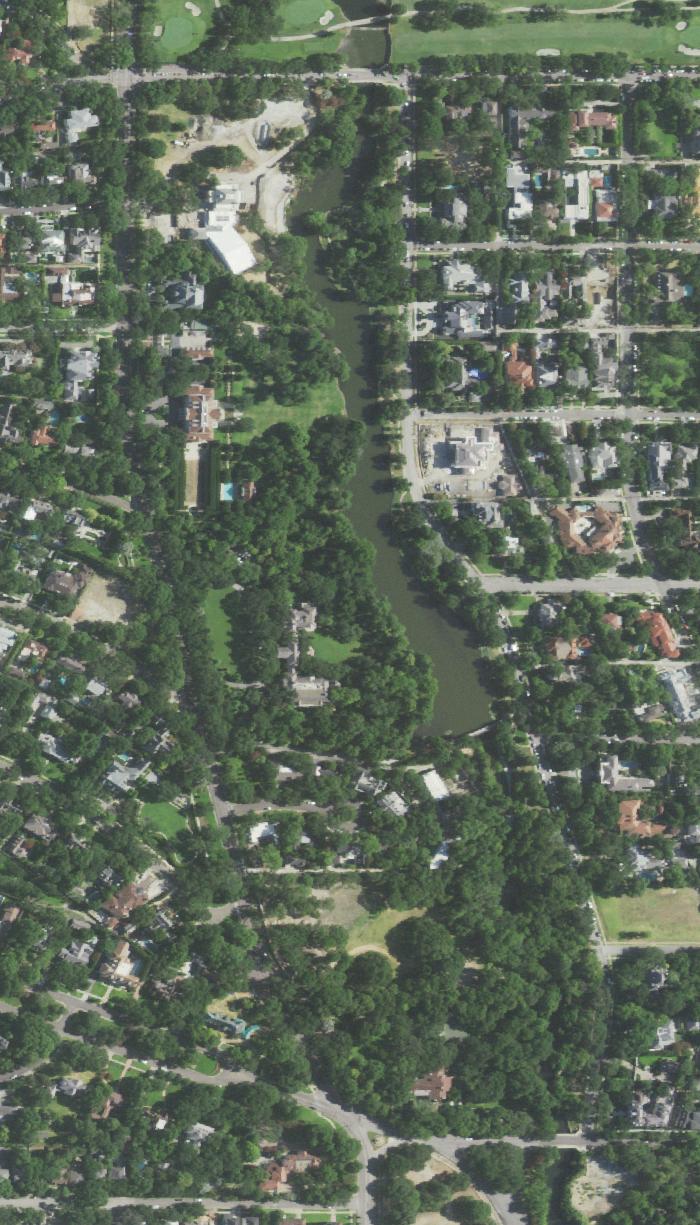
| Which bank of the lake the willow and the house sit on | Scout | Not resolvable from aerials. Confirm standing there, before you place them |
| Trail distances at Airfield Falls | Derived | Geolocated willow records plus the park's published trail length. The diagram is a distance strip and says so; it is not a map |